 Policing.uk
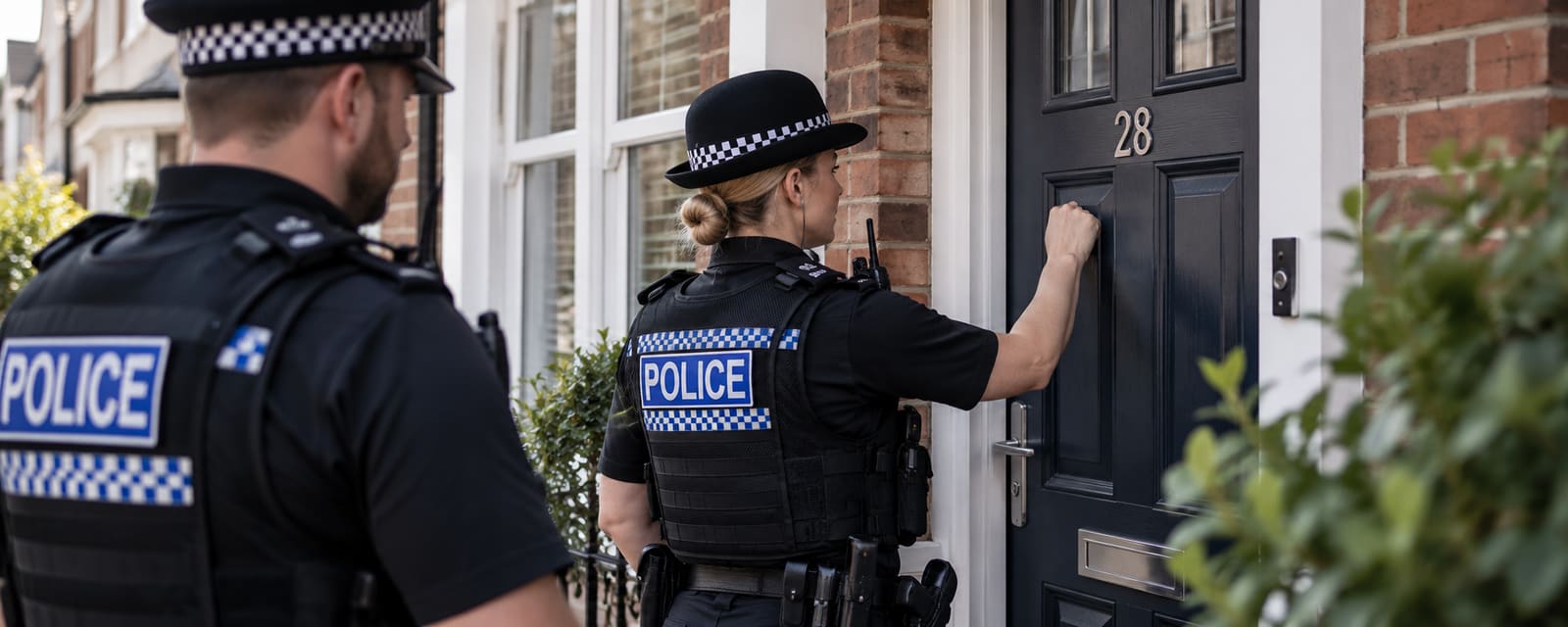
Is it illegal to drink alcohol in public in the UK?
There is no national law making public drinking illegal in England and Wales. However, local authorities can designate Public Space Protection Orders (PSPOs) or Designated Public Place Orders (DPPOs) that restrict or prohibit alcohol consumption in specific areas. Drinking in a restricted zone without complying with a police direction is a criminal offence.
The law
- Anti-social Behaviour, Crime and Policing Act 2014, Sections 59 to 75. Public Space Protection Orders: councils can restrict alcohol consumption in defined areas. Breach without reasonable excuse is a criminal offence.
- Anti-social Behaviour, Crime and Policing Act 2014, Section 63. Power for a constable to require a person to stop drinking and surrender open containers in a designated area. Non-compliance is an offence (level 2 fine). Replaced the repealed s.12 Criminal Justice and Police Act 2001.
- Criminal Justice Act 1967, Section 91. Offence of being drunk and disorderly in a public place. Max: level 3 fine (£1,000). Applies regardless of whether the area is a restricted zone.
- Confiscation of Alcohol (Young Persons) Act 1997, Section 1. Police power to confiscate alcohol from under-18s in a public place without a designated area order being required.
The penalty
- Offence
- Breach of a Public Space Protection Order (ASBCPA 2014, s.67)
- Maximum
- Fine (level 3, £1,000)
- Typical range
- Fixed penalty notice of £100 or prosecution for up to £1,000 fine
What to do
- Check whether the area is subject to a PSPO before drinking: look for signage or check the council website.
- If a police officer directs you to stop drinking in a designated area, comply: refusal is a separate criminal offence.
- If you receive an FPN you believe is incorrect (e.g., the location is not within a designated zone), seek legal advice before paying or contesting.
- Being drunk and disorderly remains an offence everywhere: keep behaviour calm regardless of location.
In detail
Unlike some countries, England and Wales have no blanket national prohibition on drinking alcohol in public places. Whether you can legally drink on a park bench, in a town square, or on a public street depends entirely on whether that location falls within a designated restricted zone.
Public Space Protection Orders
The Anti-social Behaviour, Crime and Policing Act 2014 (ASBCPA 2014) replaced earlier local alcohol restriction powers with Public Space Protection Orders (PSPOs). A local council may make a PSPO for a defined geographic area if it is satisfied that activities carried on in that area have had, or are likely to have, a detrimental effect on the quality of life of those in the locality, and the activities are of a persistent or continuing nature such that they are unreasonable.
A PSPO can prohibit specified activities (including consuming alcohol) or require specified activities to be carried on in a particular way. Breaching a PSPO without reasonable excuse is a criminal offence punishable by a fixed penalty notice (FPN) of £100 or, on prosecution, a fine up to level 3 on the standard scale (currently £1,000).
Directions to stop drinking
Under s.63 of the Anti-social Behaviour, Crime and Policing Act 2014, a constable may require a person in a designated area to stop drinking alcohol and surrender open containers. Failing to comply with such a direction without reasonable excuse is an offence under s.63(6): a fine not exceeding level 2 on the standard scale (currently £500). Note: this is a separate offence from the general PSPO breach offence under s.67, which carries a higher maximum fine of level 3 (£1,000).
Seizure of alcohol
Where a PSPO or DPPO applies, a constable or authorised officer can require a person to surrender alcohol. A constable may also confiscate alcohol from a person under 18 in a public place under s.1 of the Confiscation of Alcohol (Young Persons) Act 1997, regardless of whether a designated area exists.
Areas without PSPOs
Outside a designated restricted area, drinking in public is not a criminal offence in England and Wales per se. However, behaviour associated with drinking, such as being drunk and disorderly (s.91 Criminal Justice Act 1967) or causing harassment, alarm, or distress (s.5 Public Order Act 1986), remains an offence regardless of location.
How to find out if an area is restricted
Most local councils publish their PSPO maps online. Signs are usually posted at the boundaries of restricted zones. If you are unsure, the council website or local authority environmental enforcement team can confirm whether a particular location is subject to an order.
Related questions
Last updated 16 October 2026